Avo Vision on Property Entrepreneurship: Turn Your Property into Income
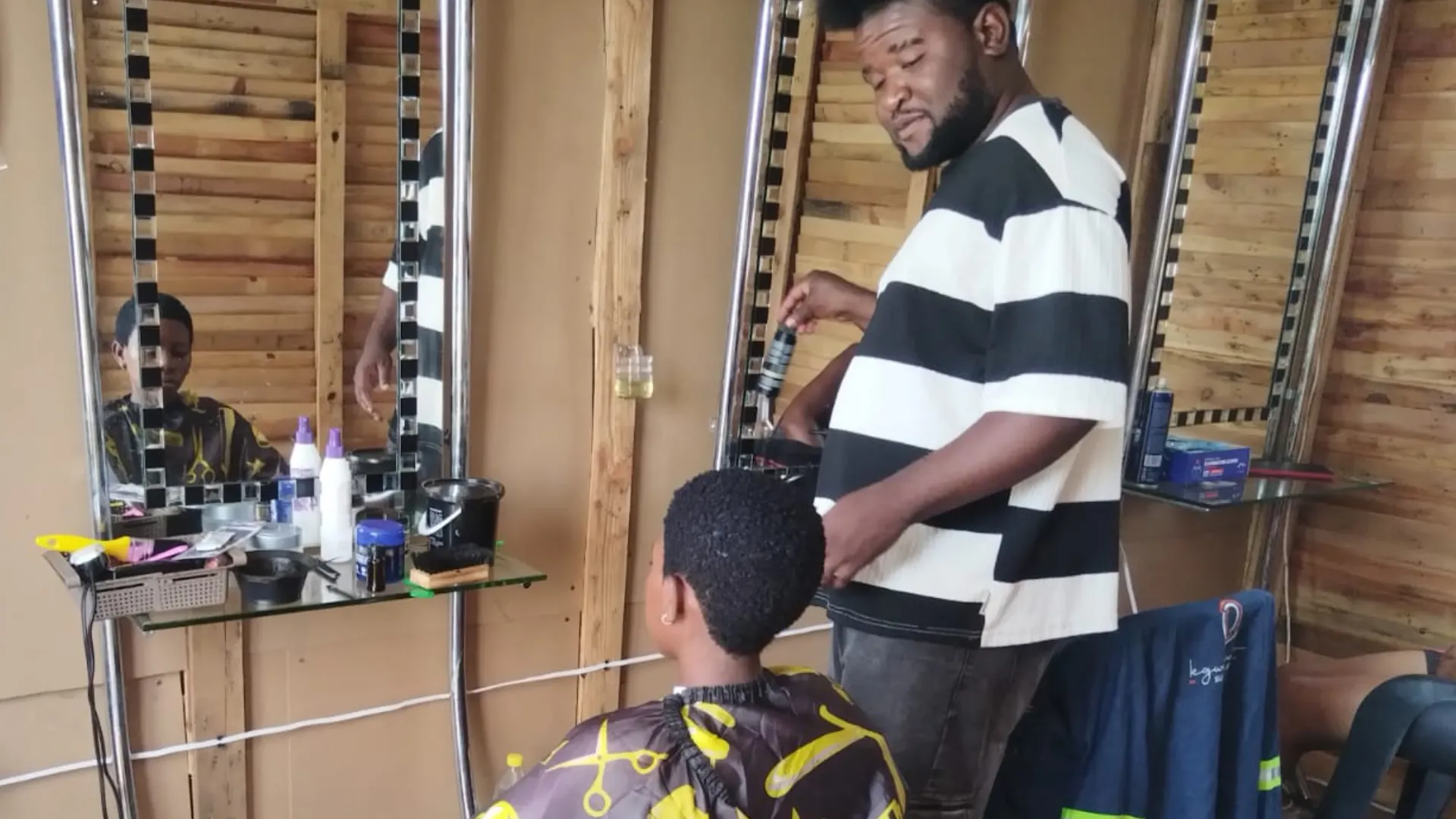
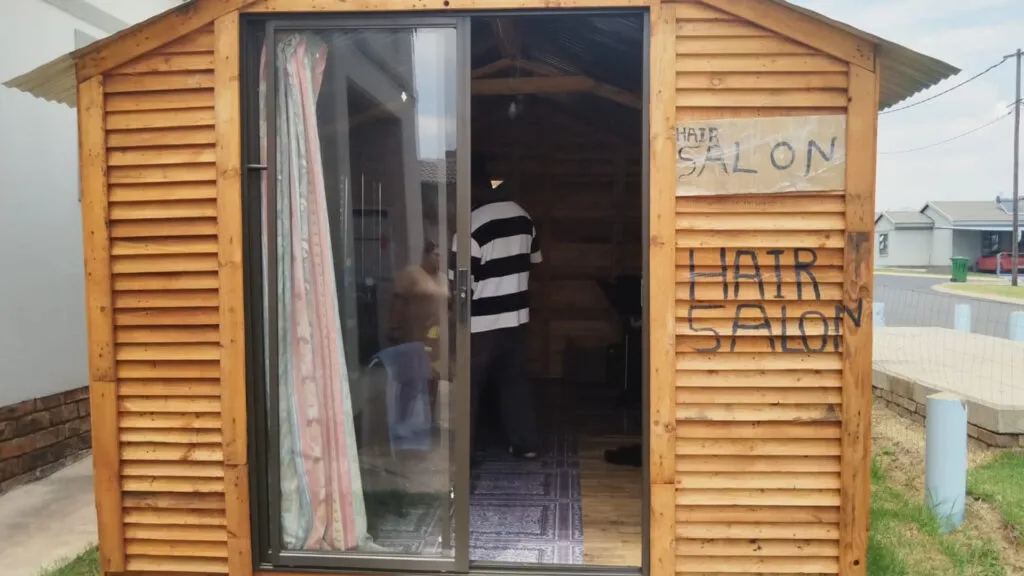
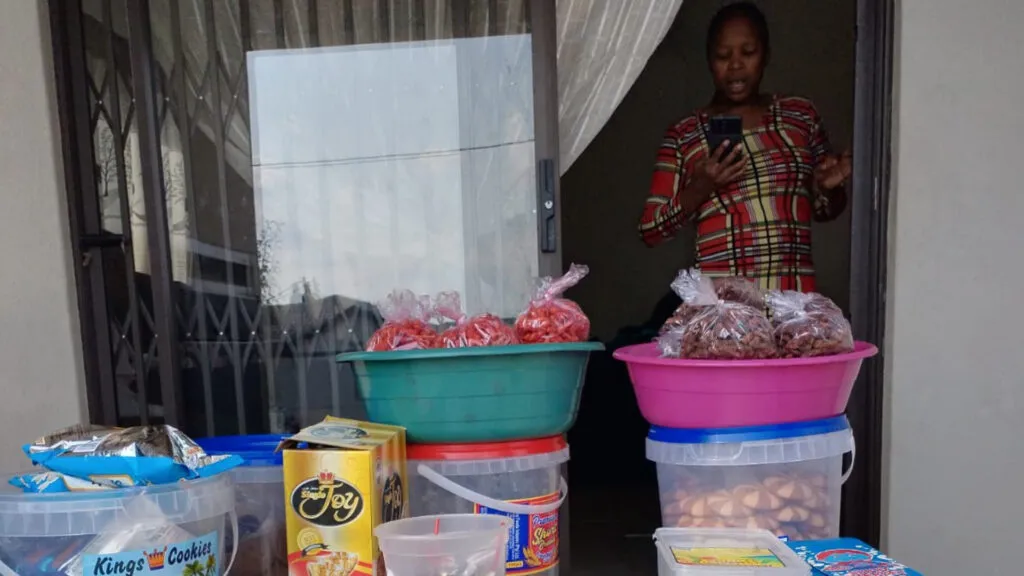
Property entrepreneurship is not only about rental units or formal developments. In many communities, it starts right at home, with people opening spaza shops, salons, or small services from their backrooms.
At its core, property entrepreneurship is about one idea: property can be more than just a place to live, it can be a way to make a living.
For many families in rural Mpumalanga, owning property has always meant a place to live. If wasn’t until Avo Vision’s Landlord Development Programme, in partnership with Mafube Coal Mine, began working with resettled communities that is when people began to ask a different question:
“Can this property generate income?”
Between 2021 and 2022, Mafube resettled about 88 households from Nooitgedacht farm to the village Sikhululiwe and Sam‑Rose just outside Middelburg. As part of its livelihood restoration programme, Mafube contracted Avo Vision to implement a Landlord Development Programme and a Business Development Programme.
Learning to Think like an Entrepreneur
At its core, property entrepreneurship requires financial understanding, not just property ownership.
In late 2025, Avo Vision ran its Umastandi Simulations, a hands-on financial planning and business skills workshop. Participants practised real‑world decisions around budgeting, property planning, renovation costs, tenant management, and contracts.
These practical exercises highlighted two key points every aspiring property entrepreneur must understand:
- You must plan before earning.
- You must understand financial responsibilities.
One of the people who took part, Paulos Mofokeng, explained:
“Some of us started renting out our properties without proper planning or even ensuring that there are rental agreements in place and this led to a lot of challenges. This session taught us to go back to the drawing board and ensure that we plan properly to grow our properties.”
Another participant, Sphiwe Mahlangu, said:
“I made a big mistake when selecting a contractor when I did some renovations at my property in Arnot. The contractor kept on asking for money and at the end the construction was more than I budgeted for, and the work was not of good quality. Today I learned I must check the track record of the contractor before I appoint him.”

These are not abstract lessons, they are practical principles every property entrepreneur should apply:
- Study contractor quality before paying.
- Always plan the budget first.
- Use rental agreements to protect income.
In August 2025, Avo Vision and Mafube Coal Mine launched the second year of the Livelihood Restoration Programme in Sikhululiwe community hall, aimed at helping people transform their skills into business opportunities.
This phase included not just business training, but a specific landlord development component, recognising that people with property can use it strategically for income generation.
This kind of training is central to property entrepreneurship because it teaches:
- How to structure rental agreements
- How to screen tenants
- How to plan for property maintenance
- How to forecast rental income
- How to protect your property as an asset
The Lessons and How Decisions Matter
Property entrepreneurship is not about luck, it’s about intentional choices that protect your income and grow your business.
Through training, participants became better at:
- Planning renovations within budget
- Choosing reliable partners
- Creating lawful rental agreements
- Calculating ongoing costs and profits
- Setting realistic expectations for tenants
This decision‑making foundation is crucial. A property that makes money doesn’t do so by chance, it does so because the owner understood the business mechanics first.
Avo Vision’s CFE Project Manager, Antoinette Mthetwa, explained:
“Our approach is grounded in equipping participants with practical skills that they can apply immediately.”
She said the real value is not just teaching concepts; it’s enabling people to act on them, especially in ways that build long-term financial resilience.
Antoinette also said:
“Working alongside organisations like Mafube Coal Mine allows us to reach resettled families in meaningful ways, not just teaching them skills, but helping them build sustainable livelihoods through property and business development.”
Property entrepreneurship is not isolated learning, it’s connected to real community‑centred support, relationships and ongoing coaching.
What this Means for Communities
Property entrepreneurship is more than rental income, it is a tool for economic participation.
When families start thinking like entrepreneurs, several things happen:
- Unemployment gets tackled because people create their own income opportunities.
- Income becomes diversified because property can host rentals, spaza shops, services, or storage.
- Livelihoods become stronger because people plan for maintenance, reinvestment, and future growth.
When property is understood as business, it can shape futures.
It begins with:
- Understanding financial responsibility
- Applying smart decisions
- Taking structured action
- And sustaining income over time
And it grows into:
- Personal independence
- Community job creation
- A stronger foundation for families
Tips for Turning your Property Into a Business
- Start small and grow – begin with one rental room, one small shop, or a simple service before expanding.
- Keep clear records – track income, expenses, repairs, and tenant payments carefully.
- Know your legal obligations – understand tenant rights, contracts, and property regulations.
- Maintain your property – regular upkeep preserves value and attracts tenants or clients.
- Plan for risks – have a backup plan for late payments, vacancies, or unexpected repairs.
- Invest in relationships – good tenant relations and local networks can help your business thrive.
Things to Avoid:
- Overestimating income – avoid assuming tenants or clients will always pay on time.
- Skipping contracts – verbal agreements can lead to disputes; always document terms.
- Ignoring maintenance – a property in poor condition reduces potential income.
- Hiring unverified contractors – always check track records to prevent overspending.
- Acting without a budget – without clear financial planning, profits can quickly vanish.
Trying to do everything alone – seek advice, training, or mentorship when needed.