

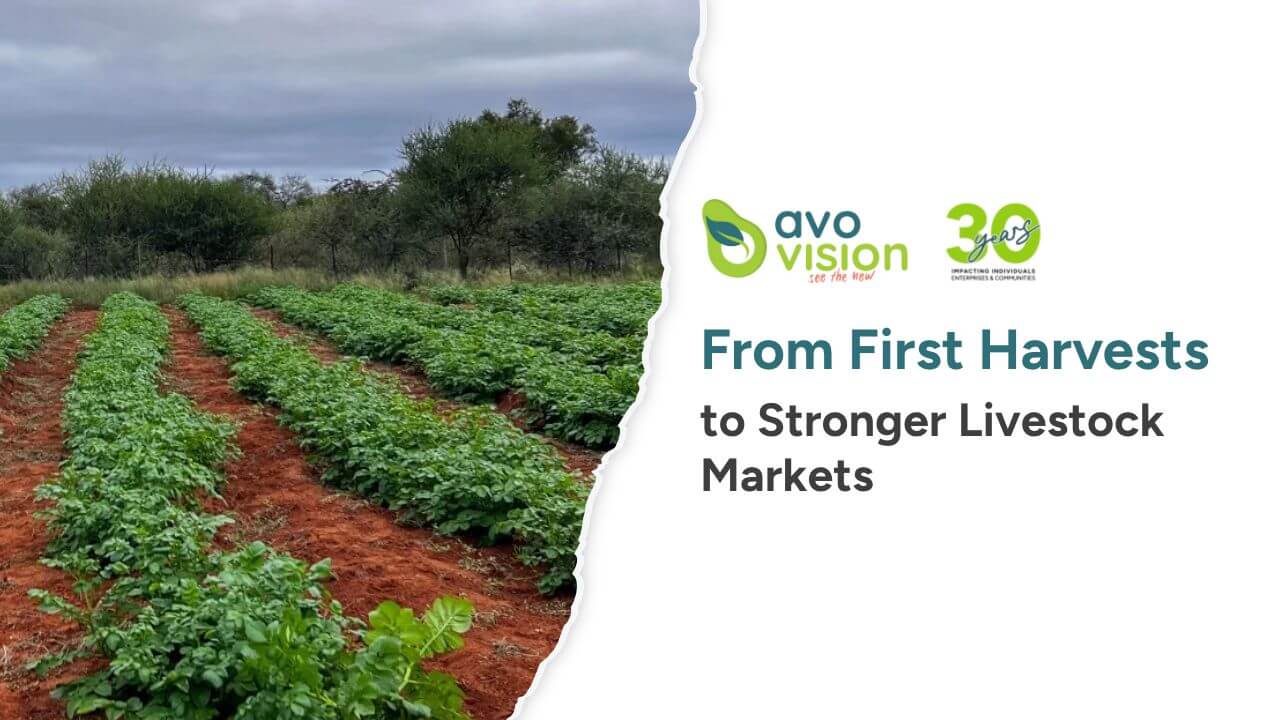
How Avo Vision, Deutsche Gesellschaft für Internationale Zusammenarbeit (GIZ), South Africa and the Industrial Development Corporation’s Social Employment Fund (SEF) are strengthening agricultural livelihoods in Ga-Kibi, Blouberg, Limpopo.
Green Business Value Chain (GBVC) Programme
The bigger picture
Building rural economies. Restoring the land.
Over the past two years, Avo Vision’s GBVC programme, supported by GIZ, De Beers Venetia Mines and SEF, has achieved:
- 1,600+ green jobs created
- 70+ green enterprises supported
- 178+ hectares of degraded land restored
Through training, tools and resources, the programme is strengthening rural businesses while promoting regenerative agriculture and environmental sustainability.
Crop farming
One harvest. More opportunities.
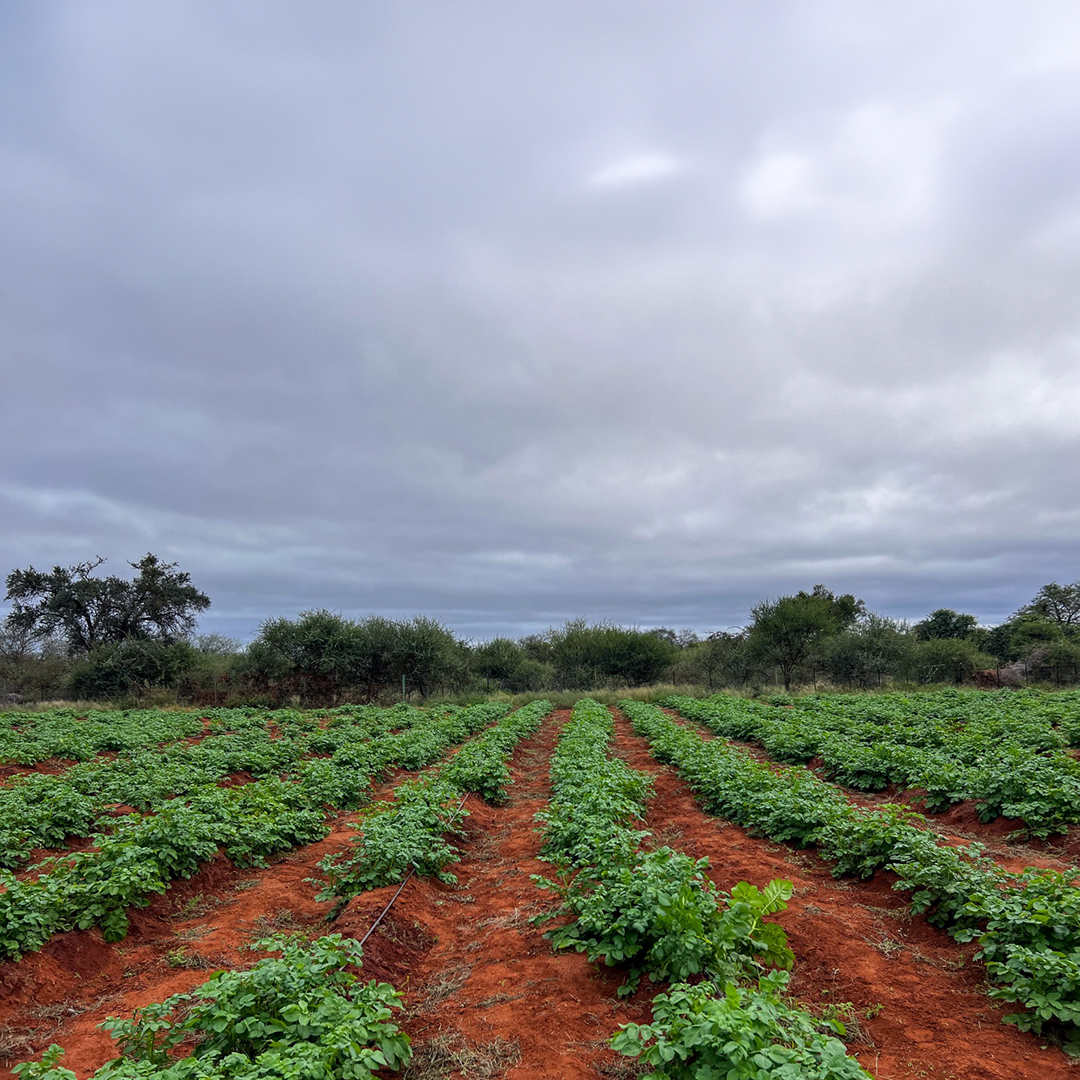
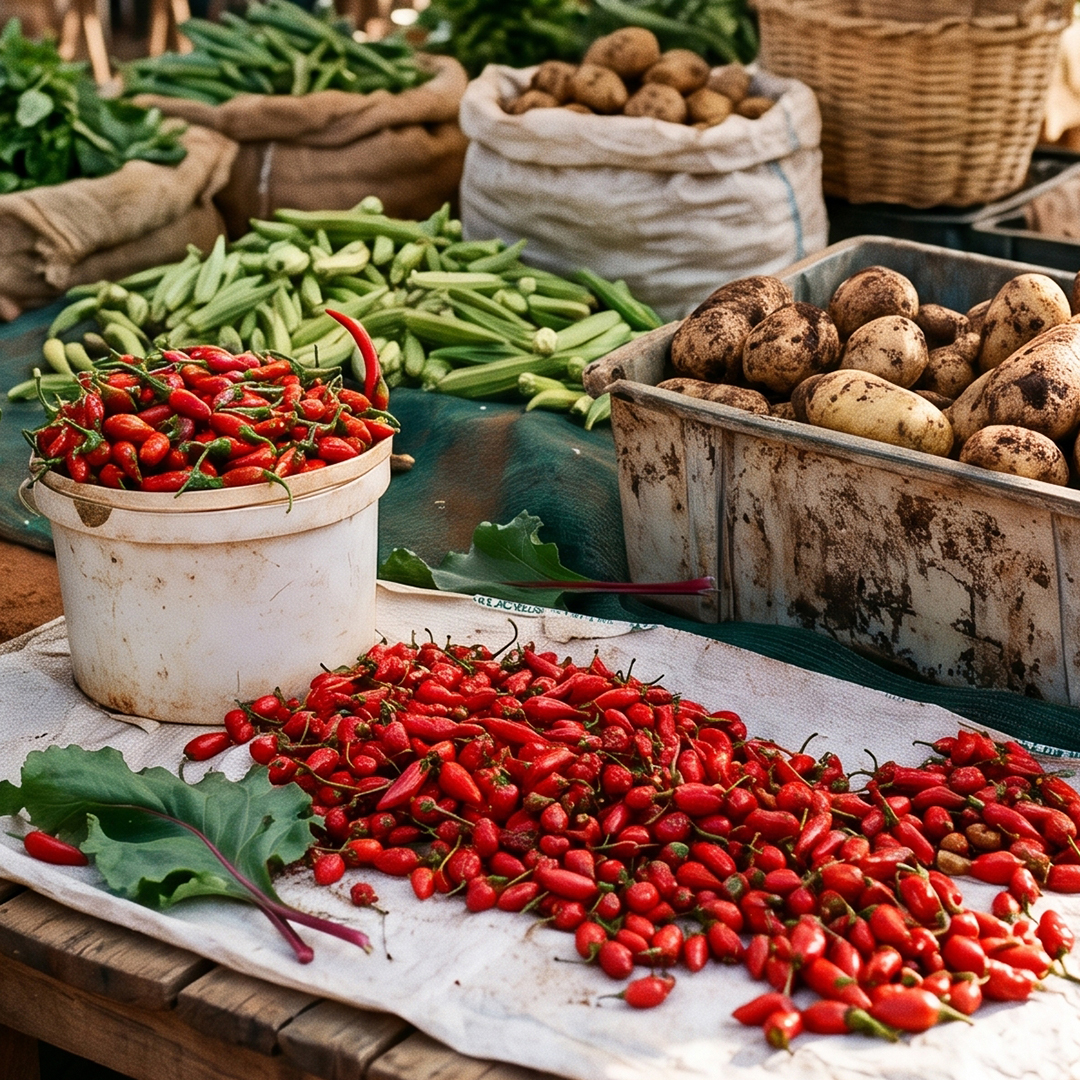
Across 16.29 hectares, 21 participating crop farmers have cultivated beetroot, chillies, potatoes, onions, tomatoes, okra and spinach.
Farmers began planting in February 2026 with most of them harvesting in June and July. The second planting season started August 2026, with farmers using proceeds from previous harvests to reinvest in production.
R903,885
Revenue generated through crop farming.
This contributes to the growth of self-sufficient agricultural businesses.
Farmer success
From farming income to farm investment.
Matome Raphadi
Owner of Moninki Trading and Project (Pty) Ltd.
After generating income through farming, Raphadi invested in fencing his 154-hectare farm, strengthening the infrastructure supporting his business.
- 0.5 hectares under onion production
- 10 local jobs supported
- Produce reaching surrounding communities, with market opportunities locally and in Mozambique
Value addition
Turning fresh produce into new products.
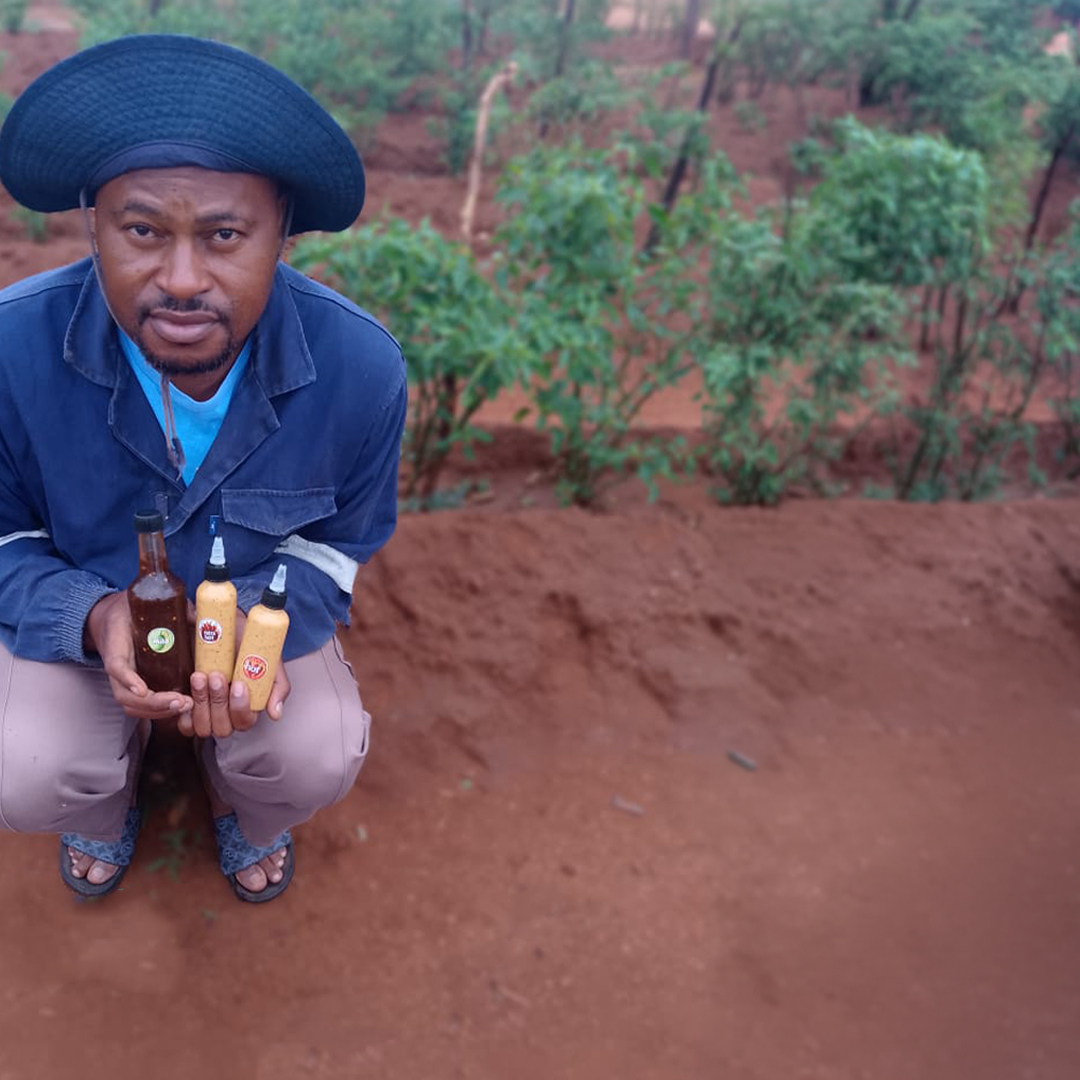
Crop farmer: Tsietsi Muleya | Nchadi Holdings
After joining Avo Vision’s GBVC programme in September 2025, Muleya explored opportunities beyond selling fresh produce.
Today, his business processes fresh chillies into crushed chillies for atchaar and bottled chilli sauce.
- 3 local employees
- A longer shelf life and additional products are helping diversify the business
Responsible grazing
Growing livestock businesses starts with caring for the land.
Through the Herding for Health model, farmers are adopting rotational grazing, organised livestock movement and improved animal health monitoring.
Rangeland Stewardship Agreements link incentives to farmers’ commitment to responsible grazing, healthy herds and business standards.
Livestock sales
Farmers are turning livestock into income.
Five livestock associations bring almost 300 farmers together to strengthen livestock production and access commercial markets in Limpopo.
253 livestock sold since September 2026.
R1,697,600
Total livestock revenue generated.
September–October achievement:
36 livestock sold
R276,900 generated in just two months.
Connecting livestock farmers to commercial markets is key for farmers’ sustainability.
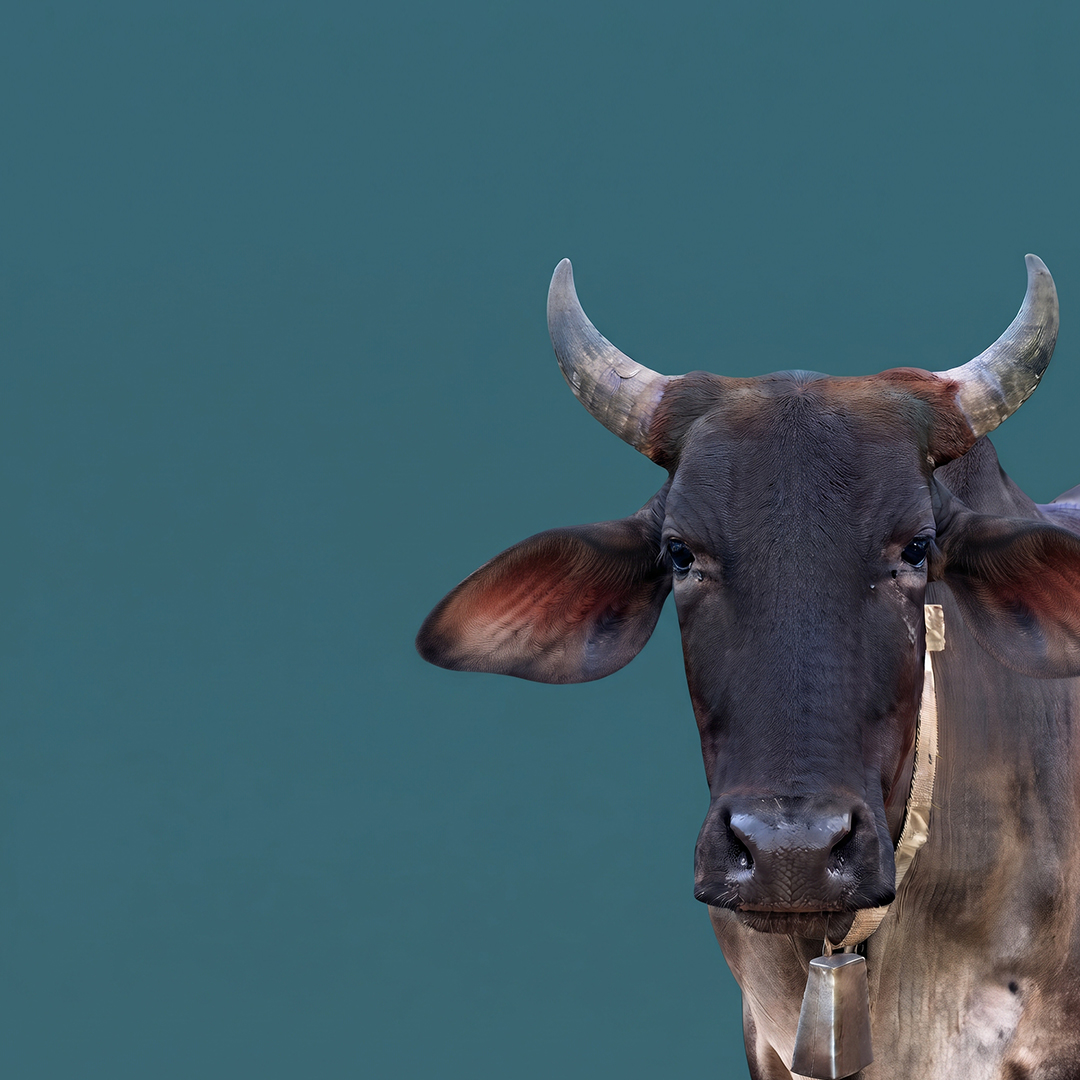
From herders to Eco-Rangers
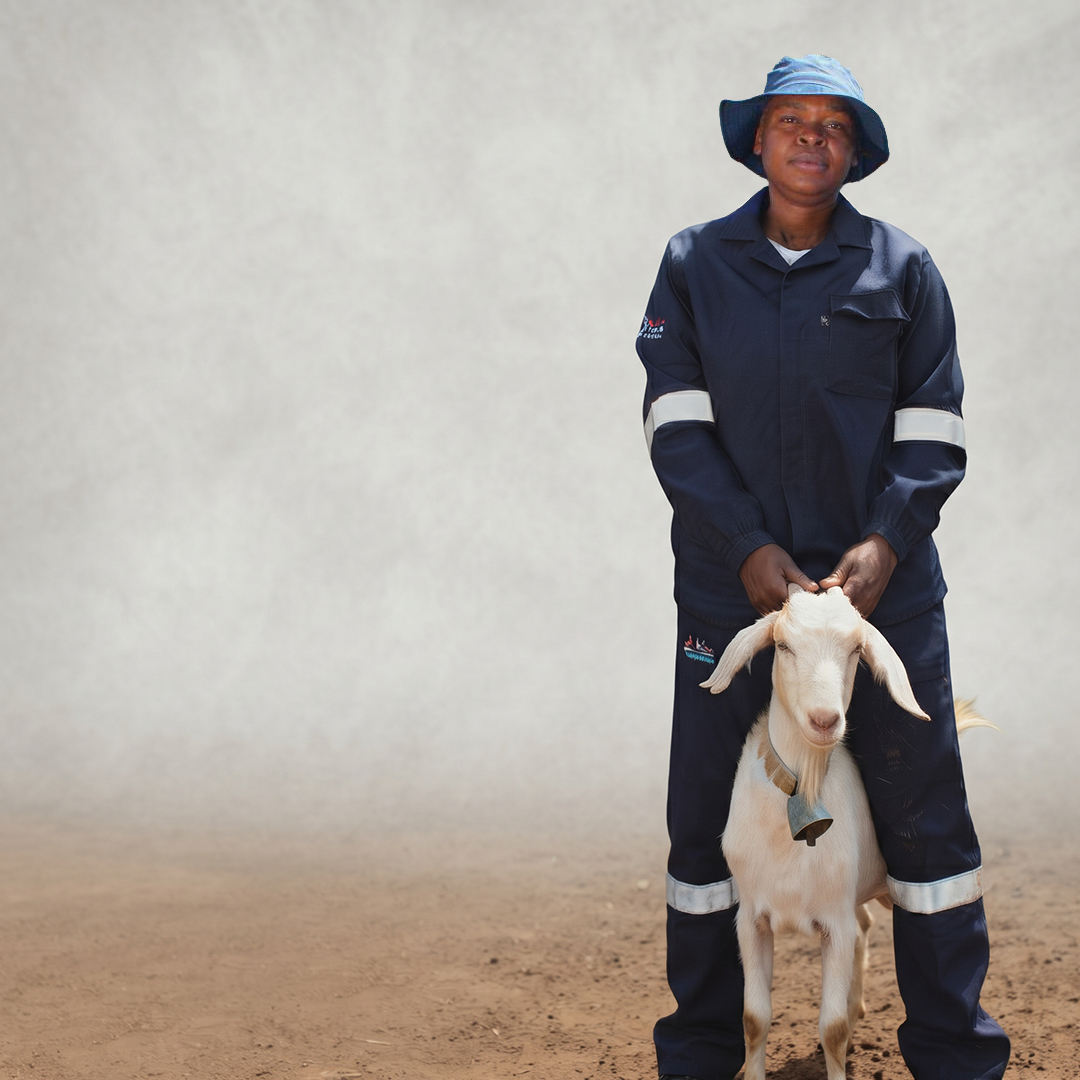
Turning land care into skilled green employment.
Eco-Rangers are trained, community-based land and livestock stewards.
Through Avo Vision and Meat Naturally Africa, they develop practical skills in:
- Sustainable grazing management
- Livestock health monitoring
- Land restoration
At Sebalamakgolo Livestock Association, six trained Eco-Rangers are supporting this work, including a female Eco-Ranger.
Farmer ownership
Collective action. Lasting impact.
A choice towards self-sufficiency.
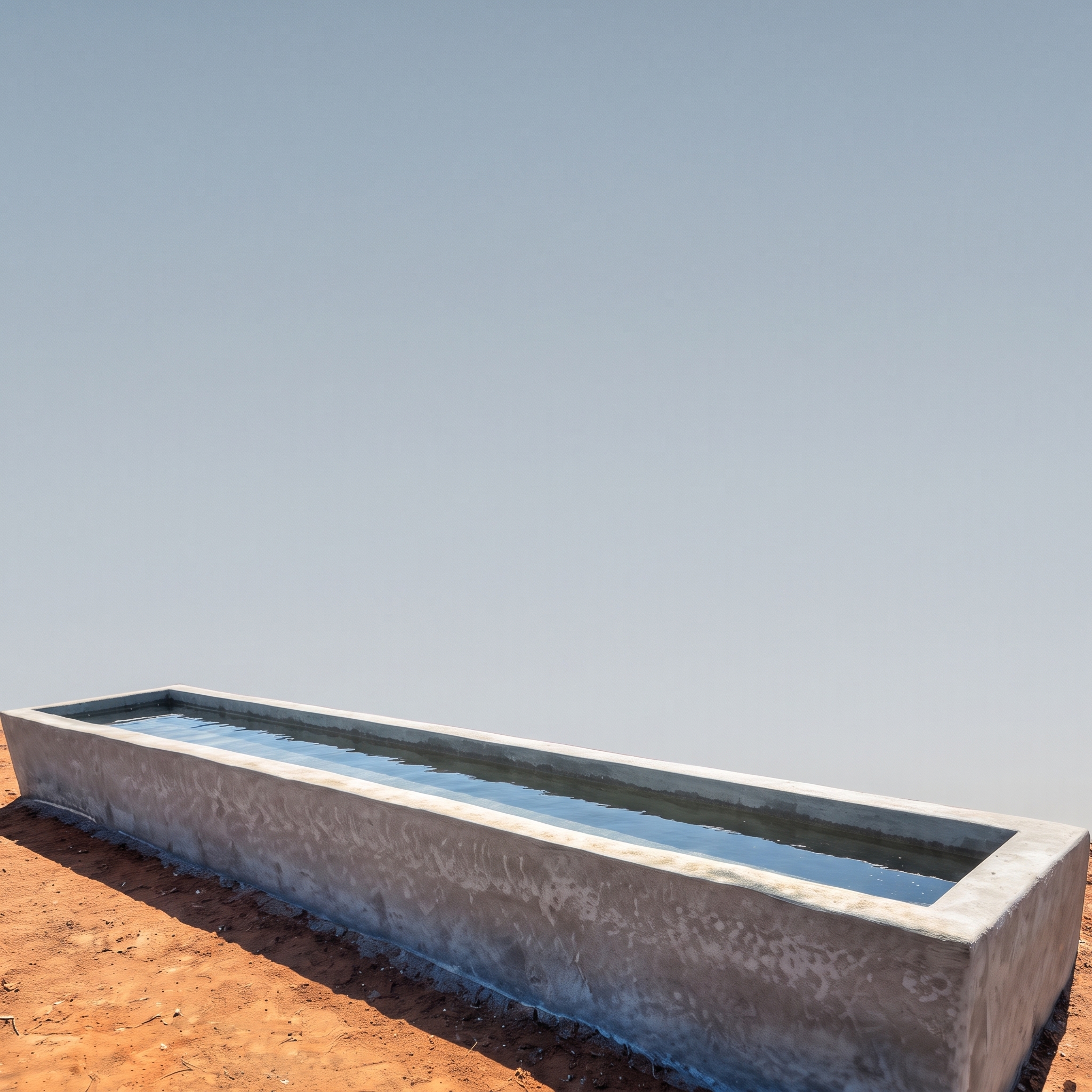
Through mentorship and farmer organisation, the livestock association chose to invest in shared infrastructure, reflecting a shift in mindset towards greater ownership and self-sufficiency.
- The livestock association collectively invested in building a shared water trough
- Improved water access for livestock in grazing camps
- Strengthening association sustainability beyond programme support
Stronger businesses. Healthier land. More sustainable livelihoods.
The progress in Limpopo shows what can happen when business development and environmental stewardship work together. Through regenerative agriculture, farmers are improving land management and building more sustainable production systems. They are not only producing and selling; they are reinvesting, creating jobs, exploring new markets and laying the foundations for businesses that can continue to grow beyond programme support.
Avo Vision | Impacting Individuals, Enterprises & Communities
Organisations interested in supporting regenerative agriculture, rural enterprise development or livestock market access can contact Avo Vision to explore partnership opportunities.
Frequently Asked Questions
What is Avo Vision’s Green Business Value Chain programme in Ga-Kibi?
The Green Business Value Chain (GBVC) programme, supported by GIZ, De Beers Venetia Mines and the Industrial Development Corporation’s Social Employment Fund, strengthens rural businesses while promoting regenerative agriculture and environmental sustainability in Ga-Kibi, Blouberg, Limpopo.
What impact has the GBVC programme achieved over the past two years?
The programme has created 1,600+ green jobs, supported 70+ green enterprises and restored 178+ hectares of degraded land.
How much revenue have crop farmers generated under the programme?
Across 16.29 hectares, 21 participating crop farmers generated R903,885 in revenue through the cultivation of beetroot, chillies, potatoes, onions, tomatoes, okra and spinach. This contributes to the growth of self-sufficient agricultural businesses.
Who is Matome Raphadi and what investment has he made?
Matome Raphadi is the owner of Moninki Trading and Project (Pty) Ltd. After generating farming income he invested in fencing his 154-hectare farm. He has 0.5 hectares under onion production and supports 10 local jobs.
How has Tsietsi Muleya’s Nchadi Holdings diversified?
After joining the GBVC programme in September 2025, Muleya moved beyond selling fresh produce. His business now processes fresh chillies into crushed chillies for atchaar and bottled chilli sauce, and employs three local people.
What livestock sales results have been achieved?
Five livestock associations bringing almost 300 farmers together have sold 253 livestock since September 2026, generating total revenue of R1,697,600. In September–October alone, 36 livestock were sold for R276,900.
What is the Herding for Health model?
Through the Herding for Health model, farmers adopt rotational grazing, organised livestock movement and improved animal health monitoring. Rangeland Stewardship Agreements link incentives to responsible grazing, healthy herds and business standards.
What do Eco-Rangers do?
Eco-Rangers are trained, community-based land and livestock stewards. Through Avo Vision and Meat Naturally Africa they develop skills in sustainable grazing management, livestock health monitoring and land restoration. Six trained Eco-Rangers, including a female Eco-Ranger, support Sebalamakgolo Livestock Association.
How are farmers demonstrating ownership and self-sufficiency?
Through mentorship and farmer organisation, the livestock association chose to invest in shared infrastructure, including a collectively built water trough that improves water access for livestock in grazing camps, strengthening association sustainability beyond programme support.
How can organisations partner with Avo Vision on regenerative agriculture programmes?
Organisations interested in supporting regenerative agriculture, rural enterprise development or livestock market access can contact Avo Vision to explore partnership opportunities.
