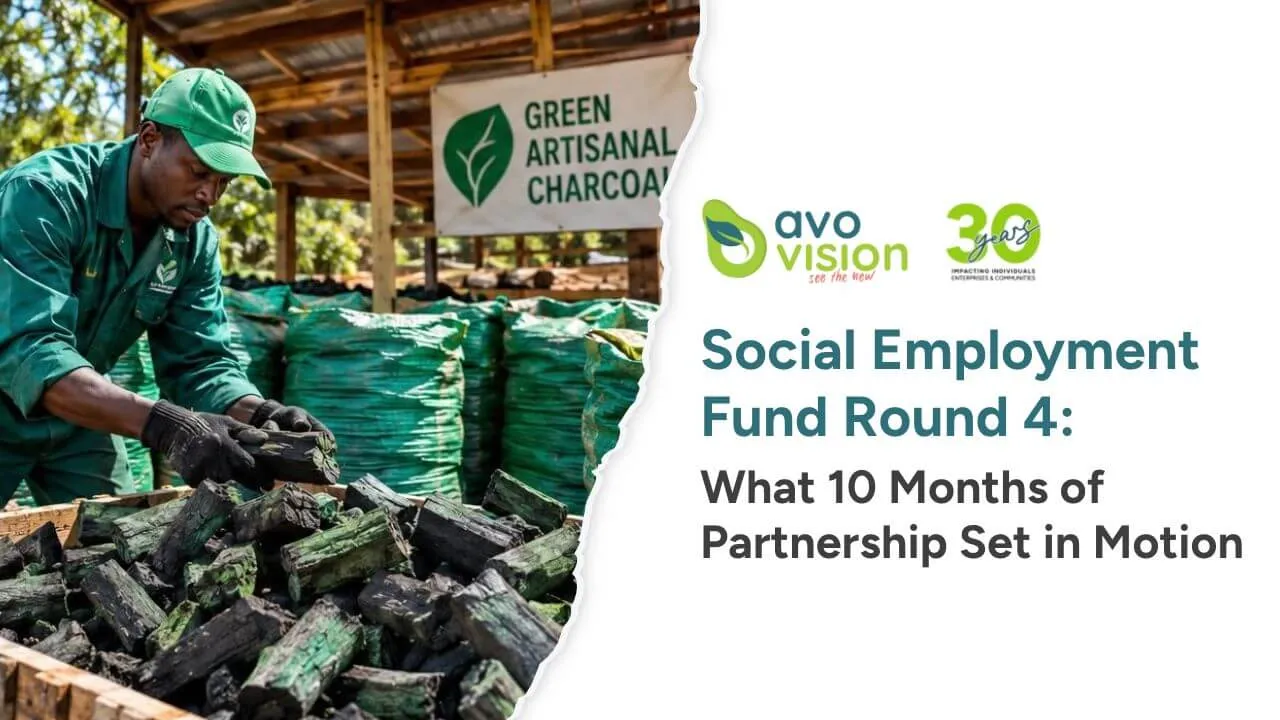
As Avo Vision closes out Round 4 of the Social Employment Fund (SEF) programme, we reflect on what partnership can achieve and the foundations it leaves for continued growth.
Over 10 months, from October 2025 to August 2026, our work across six provinces created 1,564 work opportunities and supported community-led enterprises in environmental restoration, food security and Early Childhood Development (ECD).
Relying on our conviction that strengthening grassroots enterprises and institutions increases the probability of sustained employment for the part-time interns, here’s what that impact looks like on the ground.
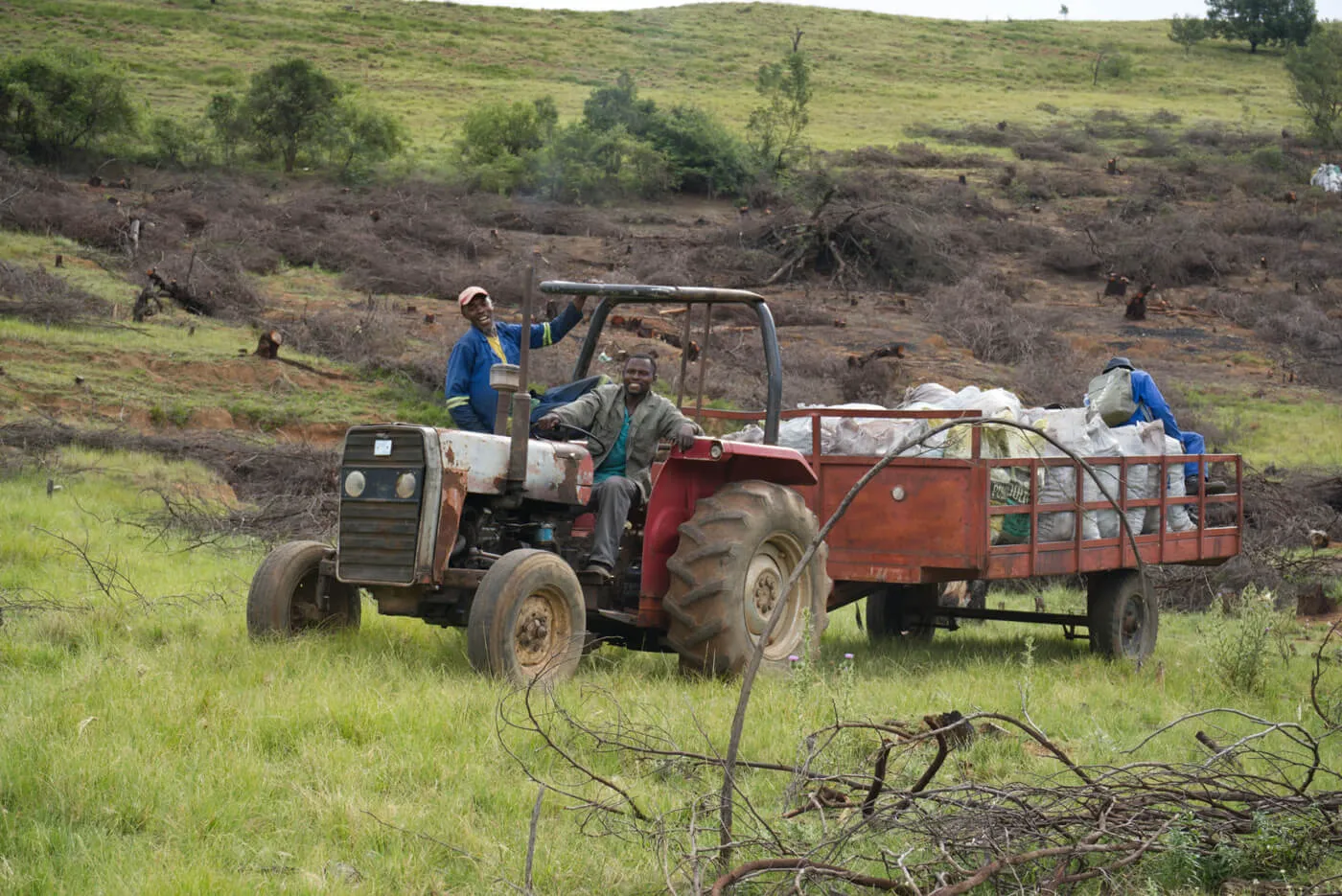
Restoring land, securing water
A total of 735 hectares of alien and/or invasive vegetation was cleared and 178 hectares of degraded land sustainably restored, contributing to an estimated 952 million litres of water returning to local water catchments.
Growing food, strengthening livelihoods
Cultivated land expanded from 2 hectares to 16.29 hectares, while participating livestock associations sold 125 animals. Farmers gained practical experience in production and regenerative practices, building a stronger foundation for future agricultural commercial activity.
Giving Early Childhood Development centres room to grow
The programme supported 105 ECD centres and enabled 4,875 children. Wage-subsidy savings created room for centre owners to invest in infrastructure, improve learning environments and strengthen their operations. At Dandelion EduCARE Centre, enrolment grew from 90 to 150 children, while the staff complement increased from seven to 14.

Building businesses beyond the programme
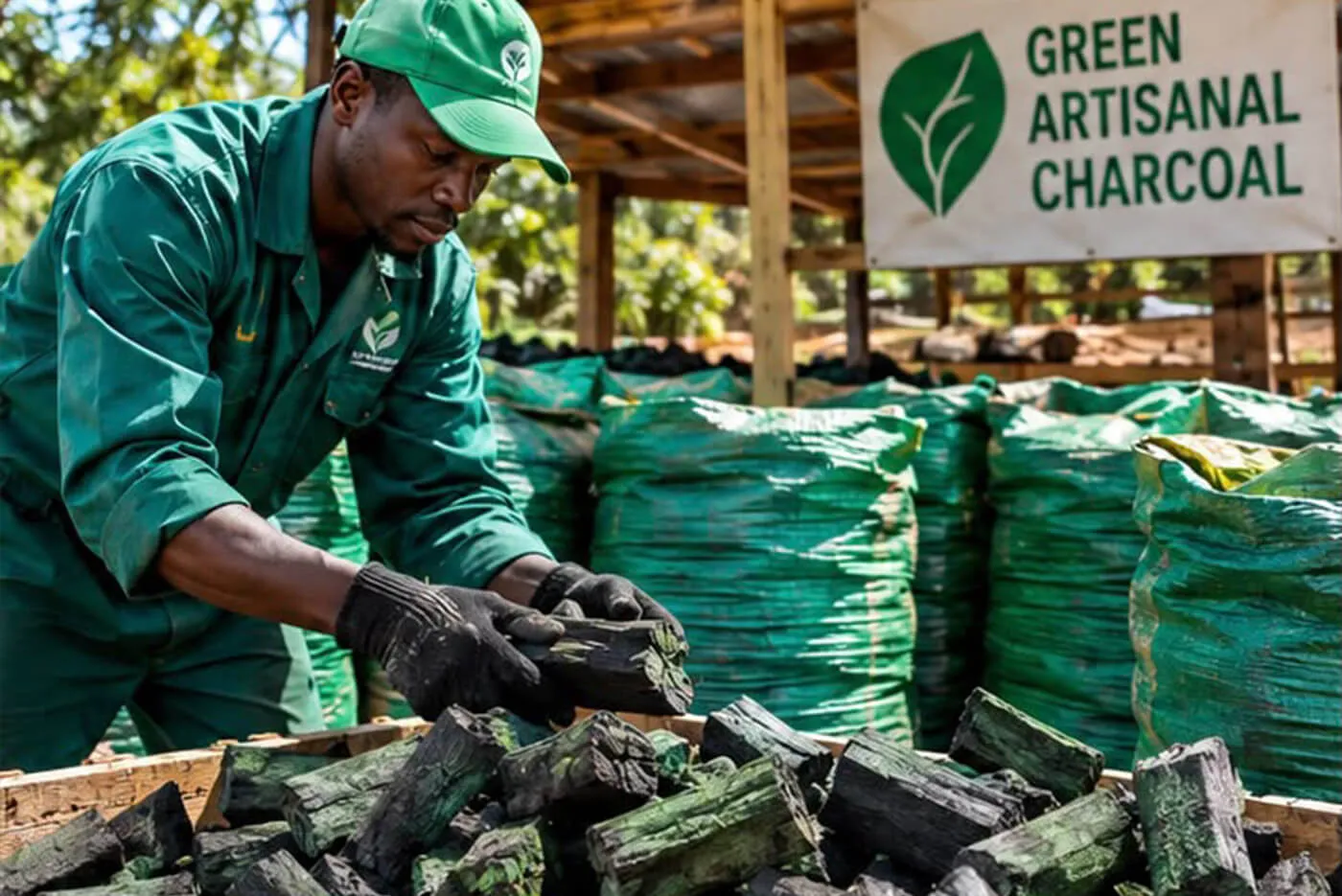
Green enterprises generated R3 million in recorded revenue. In Matatiele, charcoal producers began working together to combine supply and pursue larger commercial orders. Bhukwana Timbers invested approximately R120,000 in an 8-ton truck, strengthening its ability to deliver to larger commercial clients.
Beyond the numbers, there is a bigger picture.
Avo Vision’s Theory of Change connects financial health, skills development, enterprise self-sufficiency and growth, and environmental stewardship to a shared goal: helping individuals and communities overcome poverty, unemployment and inequality.
Through initiatives spanning financial education, Early Childhood Development, our Green Business Value Chain, food security, water security and micro-property entrepreneurship, we work towards stronger household finances, resilient businesses, improved learning environments and sustainable livelihoods.
SEF Round 4 demonstrates what becomes possible when partners bring resources, expertise and a shared commitment to inclusive community development.
As this round closes, its impact continues. Productive assets remain in communities, participants carry forward practical skills, restored landscapes can continue delivering environmental benefits, and businesses have foundations on which to build.
As SEF Round 5 gets underway, the focus remains on turning partnerships into meaningful opportunities, strengthening livelihoods and supporting grassroots enterprise and institutional development that lasts beyond individual programme cycles.
At Avo Vision, we believe lasting development takes authentic intention towards partnership and collaboration. We welcome organisations looking to turn shared priorities into measurable results and sustainable community impact.
Frequently Asked Questions
What was the duration of Social Employment Fund Round 4 with Avo Vision?
SEF Round 4 ran for 10 months, from October 2025 to August 2026.
How many work opportunities were created in SEF Round 4?
Avo Vision’s work across six provinces created 1,564 work opportunities during Round 4.
What environmental results were achieved in SEF Round 4?
735 hectares of alien and/or invasive vegetation were cleared and 178 hectares of degraded land were sustainably restored, contributing to an estimated 952 million litres of water returning to local water catchments.
How did the programme support food security and livelihoods?
Cultivated land expanded from 2 hectares to 16.29 hectares and participating livestock associations sold 125 animals. Farmers gained practical experience in production and regenerative practices.
How many Early Childhood Development centres were supported?
The programme supported 105 ECD centres and enabled 4,875 children. Wage-subsidy savings created room for centre owners to invest in infrastructure, improve learning environments and strengthen their operations.
What example illustrates ECD centre growth under the programme?
At Dandelion EduCARE Centre, enrolment grew from 90 to 150 children and the staff complement increased from seven to 14.
What revenue did green enterprises generate in Round 4?
Green enterprises generated R3 million in recorded revenue. Examples include charcoal producers in Matatiele combining supply for larger orders and Bhukwana Timbers investing approximately R120,000 in an 8-ton truck.
What is Avo Vision’s Theory of Change?
Avo Vision’s Theory of Change connects financial health, skills development, enterprise self-sufficiency and growth, and environmental stewardship to the shared goal of helping individuals and communities overcome poverty, unemployment and inequality.
Does the impact of SEF Round 4 end when the programme cycle closes?
No. Productive assets remain in communities, participants carry forward practical skills, restored landscapes continue delivering environmental benefits, and businesses have foundations on which to build.
How can organisations partner with Avo Vision on future SEF or community development programmes?
Avo Vision welcomes organisations looking to turn shared priorities into measurable results and sustainable community impact. Interested partners can make contact to explore collaboration opportunities.