
Animal Husbandry Study Targets Community Upliftment
As part of the Agri Regen Programme, Avo Vision Foundation NPC, in partnership with Meat Naturally Africa, has conducted a comprehensive animal husbandry feasibility study aimed at addressing socio-economic challenges in rural communities of the Blouberg Municipality, Limpopo.
This feasibility assessment presents significant opportunities for advancing livestock management practices. Meat Naturally Africa will lead training efforts to transition herders into eco-rangers equipped with regenerative livestock husbandry skills, ensuring they can effectively support all livestock farmers.
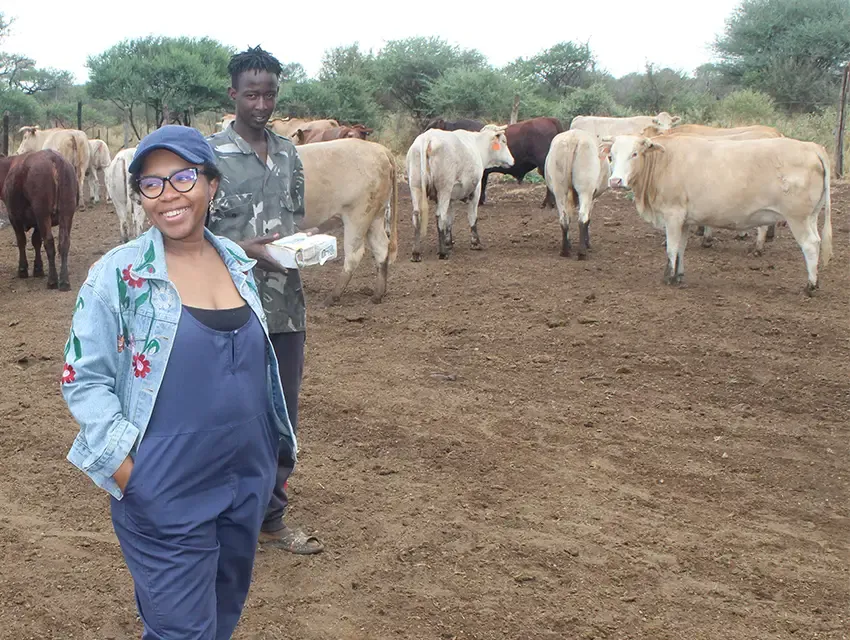
How Meat Naturally Africa Elevates Communal Farming
Meat Naturally Africa provides specialized training for communal farmers, focusing on cattle management, stock theft patrols, erosion control, and sustainable grazing techniques. Farmers gain access to vital resources such as vaccinations, livestock tagging services, and bulk purchasing arrangements for farming equipment, enhancing livestock quality and enabling farmers to compete in formal markets. The organization also facilitates mobile auctions and operates mobile abattoirs, creating market opportunities for emerging farmers while ensuring adherence to sustainable farming standards.
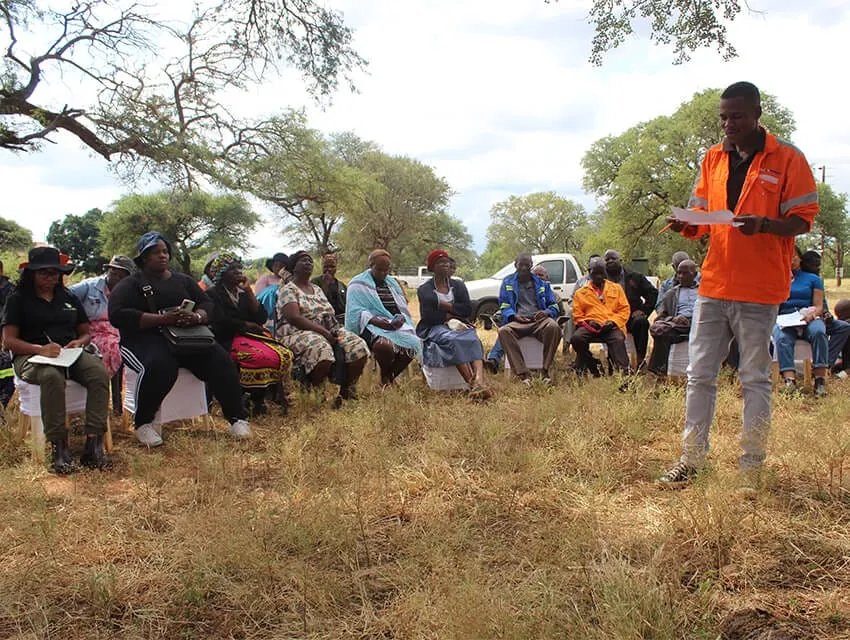
Feasibility Study Key to Integrating Regenerative Grazing Practices
Avo Vision Environmental Project Manager, Esther Mphingalale, underscores the importance of this assessment in shaping the integration of regenerative grazing practices. “This feasibility study is a critical step in Avo Vision Foundation’s mission to leverage local ecosystem skills and capabilities to implement effective restoration strategies, crop planting, and animal husbandry practices,” she says.
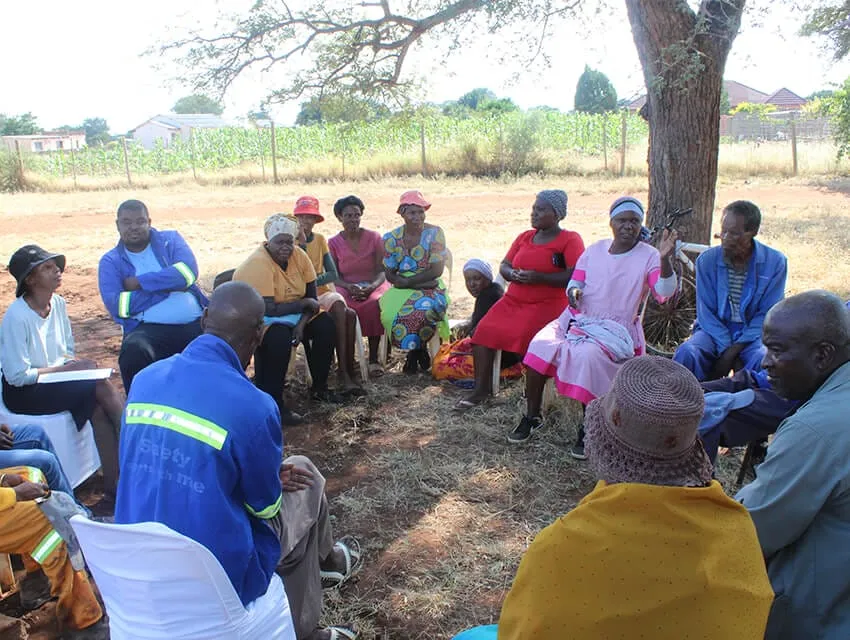
Study Explores Complete Regenerative Agriculture Ecosystem
Recently, Avo Vision Foundation engaged with 50 crop farmers and 270 livestock farmers on regenerative practices in crop cultivation, exploring techniques like crop rotation, soil restoration, and sustainable agricultural methods.
The feasibility study focused on several key areas:
- Assessing the impact of bush-thinning interventions on land and rangeland conditions.
- Understanding seasonal resource availability and challenges faced by farmers.
- Identifying current livestock management practices and community-level challenges.
- Mapping key stakeholders supporting animal husbandry efforts.
- Evaluating market access, pricing dynamics, and the long-term viability of livestock-based livelihoods.
- Gathering community-driven solutions to enhance land use and animal husbandry techniques.
Esther adds, “This programme prioritizes inclusivity and empowerment, with a specific focus on promoting opportunities for women and people with disabilities wherever possible.”
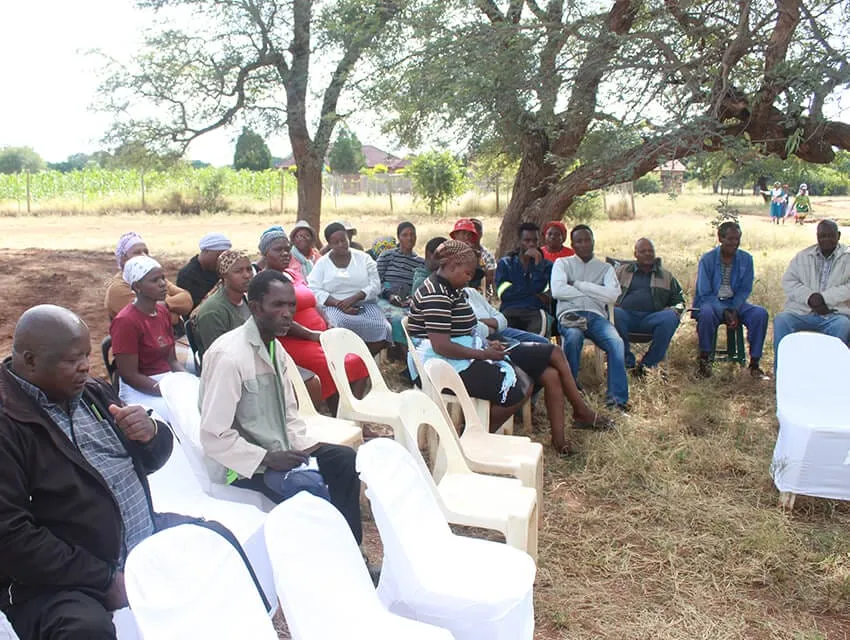
Programme Targets Conservation, Jobs, and Agricultural Development
The Agri Regen Programme is part of Avo Vision’s Green Business Value Chain, with a presence in Limpopo, Eastern Cape, Mpumalanga, North West, and Lesotho. It focuses on environmental restoration, job creation, and economic empowerment, with broader goals that include:
- Environmental Conservation – Raising awareness and implementing restoration strategies to safeguard ecosystems.
- Job Creation & Sustainable Livelihoods – Generating employment and entrepreneurship opportunities through regenerative agriculture.
- Agricultural Value Chain Development – Supporting agricultural micro, small and medium enterprises (MSMEs) in accessing and thriving within existing value chains.
Complete Business Ecosystem Support Drives MSME Success
To ensure MSMEs participating in the programme remain viable, Avo Vision and Avo Vision Foundation provide technical training, mentorship, business advisory services, market access facilitation, and ongoing business coaching. These support systems help small enterprises remain competitive, resilient, and impactful.
Value-Added Biomass Products Drive Restoration and Rural Economic Development
In 2023, Avo Vision, in partnership with the Social Employment Fund and De Beers (Venetia Mine), launched the Venetia Artisanal Charcoal Incubation Project to drive landscape restoration and ecological rehabilitation. The initiative has achieved significant milestones in biodiversity restoration, agricultural grazing area improvement and local livelihood support. It has enabled local entrepreneurs to develop value-added products from biomass, with charcoal and firewood emerging as primary outputs promoting sustainable business practices and economic resilience through training, tools and continuous support.